Is Cheap Web Development Worth It? How to Find Quality on a Startup Budget
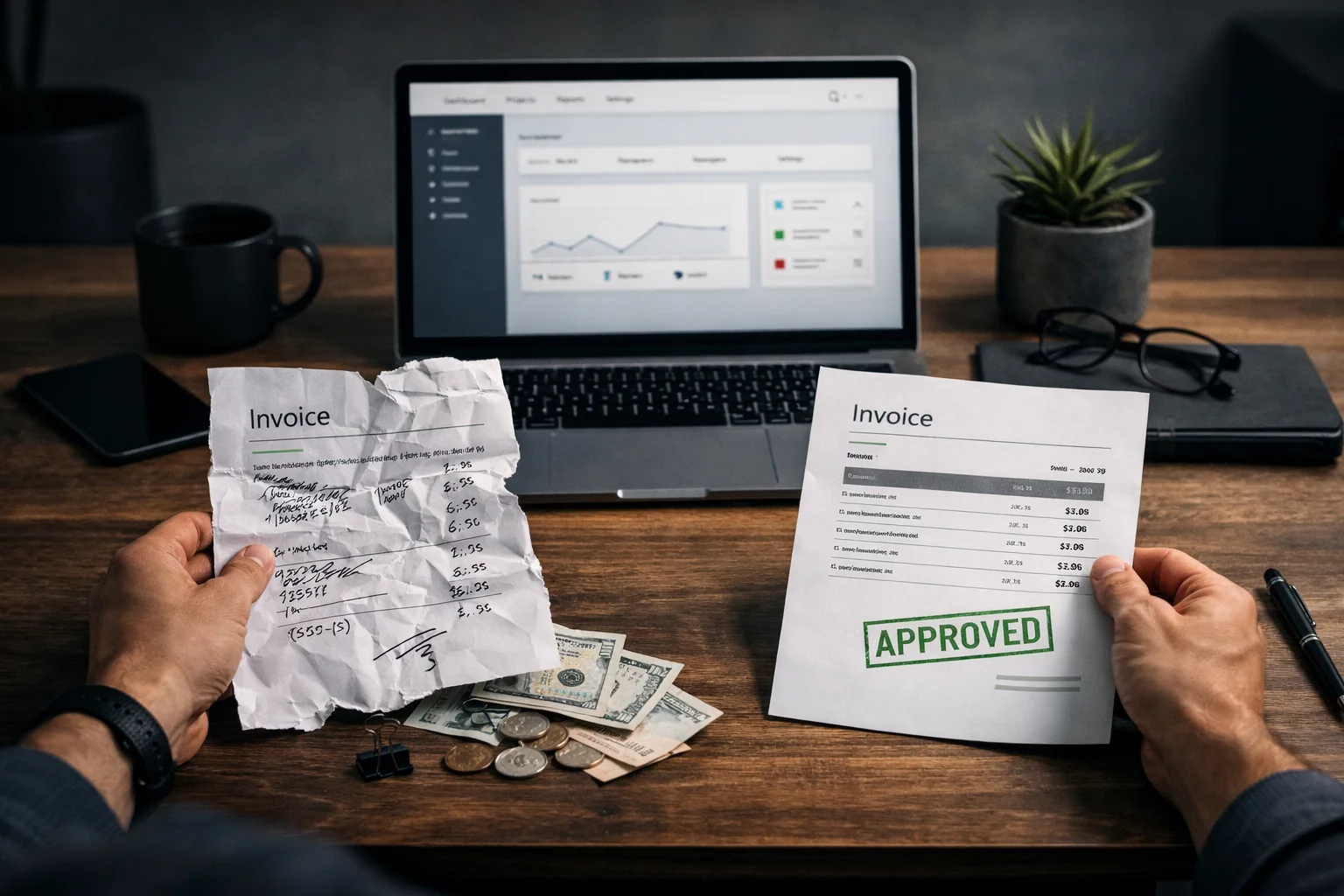
Introduction — The ugly truth
You can save cash. Or you can wreck your product. Those are the two outcomes when founders chase the cheapest developer. No gray area.
Here’s the thing: money matters more when you have little of it. So does time. You don’t get to be generous with either. Yet most founders treat development like a commodity—price first, quality later. Big mistake.
Cheap sometimes means: work that ships slow, breaks fast, and leaves you alone at 2 a.m. when the server melts down. Cheap can also mean smart choices: simpler features, sane tech, a dev who knows how to prioritize. The difference? Intent and craft.
This piece is a field guide. Not fluffy. Not a checklist from an agency brochure. Real signs to look for, real questions to ask, and a real example of how a small shop can deliver quality without bleeding your runway.
Defining the terms — Cheap vs affordable (100 words)
Cheap: price is the single deciding factor. Deliverable may exist, but it’s brittle. You’ll patch forever.
Affordable: priced to respect a startup’s runway, but designed with trade-offs — what to build now, what to wait on. The product survives. The code can be handed off. The founder isn’t left holding a bomb.
If a proposal promises the moon for pocket change, treat it like a trap. If a proposal shows priorities, timelines, and fallback plans — even at a modest price — that’s worth listening to.
The risks of “too good to be true” cheap development
Ghosting. Developers vanish. Mid-sprint. No replies for days. You’ll be left with a repo and a stale panic. Fixes cost triple after the fact—if you can find someone to touch the mess.
Spaghetti code. Functions mashed together, no tests, no documentation. It works… until it doesn’t. Then you spend months untangling logic someone scribbled at 3 a.m. while watching YouTube. Real example: a founder paid to build an e-commerce MVP; checkout failed intermittently because environment variables were hard-coded. Fix? Rebuild. Cost? Way above budget.
Poor communication. Tech-speak or radio silence. If your developer can’t explain trade-offs in plain English, you won’t know what you’re paying for — or why a feature got dropped. That kills momentum faster than any bug.
No support. Launch happens, then crickets. A patch that should take an hour becomes a multi-day emergency. You lose customers. Reputation takes a hit. Investors notice.
Don’t sugarcoat it. These are preventable. But only if you ask the right questions before you sign.
What defines “quality” in web development
Clean, maintainable code — meaning tests, sensible structure, and comments where the logic is weird. Not verbose, just usable.
Scalable architecture — not "scale now" mania, but clear paths for growth: modular services, sensible DB choices, predictable deployment.
Responsive, usable UI — users don’t care about your clever backend if the form is confusing. UX wins. Always.
Project management and communication — regular updates, clear milestones, quick clarifications. No surprises. Ever.
Post-launch support — at least a short window where the team owns bugs and helps you through real-world traffic. That’s where trust is built.
The “affordable” sweet spot: how to find it
Value beats price. Ask: what will this person save me later? A bad build saves money today and costs three times tomorrow.
Check portfolios and case studies — not glossy screenshots, but real results. Ask for repos or screenshots of error logs they fixed. If they can’t show a before/after, be skeptical.
Scope of work is your weapon. A clear contract with deliverables, acceptance criteria, and a cut-off for change requests saves you from endless scope creep. Don’t sign vague promises. Ever.
Prioritize features together. A good partner helps you strip the wishlist into a “must-have” MVP and a “nice-to-have” backlog. That is strategic guidance — and it’s worth paying for.
Communication style matters. If the developer speaks in plain sentences and can explain why a task will take X hours, you're in better shape than with someone who replies in bullets and jargon.
Test for habits, not just skills. Do they write tests? Do they run code reviews? Do they use linters? Small technical habits prevent giant disasters. Ask for one sample PR or code snippet to review. If that feels like a red flag, move on.
Price is a signal — but not the only one. Cheap hourly rate + long timeline = hidden cost. Prefer predictable scope and fixed milestones.
App Craft Services — Why we fit the affordable-quality model
We built a deliberate playbook for startups. Short story: senior-level devs, compact teams, no agency overhead. Clear scope templates. Thirty days post-launch support. Transparent pricing. That’s the offer.
We don’t sell bells and whistles. We sell a working product you can demo to users or investors — with code you can hand to another team later. Our process: feature prioritization session, concrete scope, staged payments tied to deliverables, and daily-ish check-ins.
What to expect with us: sensible trade-offs (cutting a feature now to ship the core), readable code, CI in place, and a short warranty window for real-world fixes. You’ll pay less than a full-time senior, and get a lot more than a one-off contractor. Not cheap for cheap’s sake. Affordable, and purposeful.
Conclusion — How to decide
Cheap web development is worth it sometimes. But only if “cheap” means smart choices, not shortcuts. Your job: ask the hard questions before money changes hands. Get a fixed scope, ask for proof, insist on support.
If a vendor promises magic for pennies, assume the worst. If a vendor shows a plan that protects your runway and your product — listen. You don’t need the fanciest stack. You need something that works, can be extended, and won’t burn down in the first spike of traffic.
Final checklist (short):
clear scope ✅
code sample or repo ✅
staged payments ✅
short post-launch support ✅
plain-language updates ✅
realistic timeline ✅
Want a quick audit of a proposal you received? Paste the key parts here — scope, price, timeline — and I’ll tear it apart so you don’t waste runway.